
Public Interest & Awareness Article by MathuraNow
India has introduced one of its most significant digital governance reforms to address the growing misuse of Artificial Intelligence (AI), deepfakes and synthetic media. The Ministry of Electronics and Information Technology (MeitY) has amended the Information Technology (Intermediary Guidelines and Digital Media Ethics Code) Rules, 2021, introducing mandatory disclosure requirements for AI-generated content and stricter compliance obligations for digital platforms.
Editor’s Note: This article has been prepared by MathuraNow solely for public awareness and educational purposes. The advisory dates mentioned below are part of the regulatory timeline and are included to help readers understand how India’s AI content regulations evolved over time.
Regulatory Timeline: From Advisory to Law
The Government of India gradually strengthened its approach towards AI-generated content through multiple stages before introducing binding legal requirements.
- 15 March 2024 – Initial MeitY Advisory
MeitY issued an advisory asking intermediaries and AI platforms to implement safeguards for generative AI systems, provide appropriate user disclosures and exercise greater caution regarding synthetic content. This advisory represented the Government’s initial policy direction and awareness initiative. - 10 February 2026 – Gazette Notification
The Government officially notified the Information Technology (Intermediary Guidelines and Digital Media Ethics Code) Amendment Rules, 2026 through Gazette Notification G.S.R. 120(E), introducing India’s first comprehensive regulatory framework for synthetically generated information. - 20 February 2026 – Rules Came into Force
The amended IT Rules became legally enforceable across India, requiring online platforms to comply with new obligations relating to AI-generated content, deepfakes and synthetic media.
What Changed Under the 2026 IT Rules?
The amended rules formally recognize Synthetically Generated Information (SGI), covering AI-generated or AI-altered audio, images and videos that may appear authentic.
1. Mandatory AI Labelling
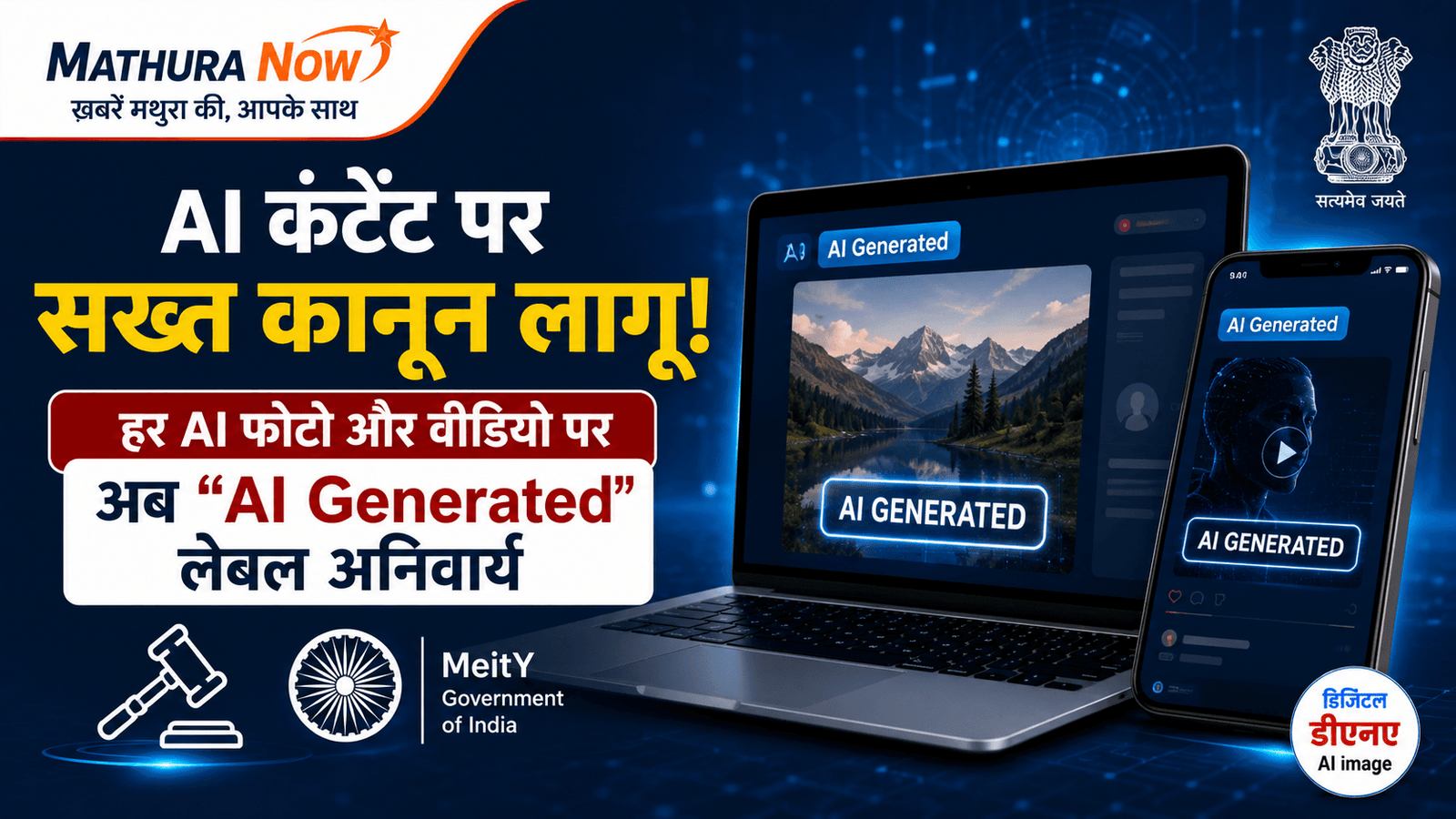
Images, audio and videos created or substantially modified using AI must carry a clear and prominent disclosure indicating that the content has been synthetically generated. The objective is to help viewers distinguish AI-generated media from authentic material.
2. Digital Provenance and Metadata
Where technically feasible, AI-generated content should include permanent metadata or digital provenance information that helps identify its origin even if the file is shared across different platforms.
3. User Declaration Requirements
Large social media intermediaries are expected to provide mechanisms enabling users to declare whether uploaded content has been generated or materially altered using AI technologies.
4. Faster Removal of Illegal AI Content
The amended rules significantly reduce compliance timelines for removing unlawful AI-generated content when directed by competent authorities or courts, particularly in cases involving deepfakes, impersonation or other harmful synthetic media.
What Is Exempt?
The rules do not intend to regulate routine image enhancement or everyday editing tools. Common activities such as:
- Colour correction
- Brightness adjustment
- Noise reduction
- Standard smartphone camera enhancements
- Legitimate film VFX and visual post-production
are generally outside the scope of AI disclosure requirements unless they materially create or misrepresent reality.
Consequences of Non-Compliance
Failure to comply with the amended IT Rules may expose intermediaries to significant legal consequences, including the possible loss of statutory safe harbour protections under Section 79 of the Information Technology Act in applicable cases. Individuals who intentionally misuse AI-generated content for fraud, impersonation, defamation or other unlawful purposes may also face action under applicable provisions of Indian law.
Why These Rules Matter
The rapid growth of generative AI has made it increasingly difficult for users to distinguish authentic content from synthetic media. Mandatory AI disclosures are intended to improve transparency, reduce misinformation and help protect citizens against deepfakes, financial scams and identity misuse while allowing responsible innovation to continue.
MathuraNow Public Interest Note
This article has been independently prepared by MathuraNow in the larger public interest to help readers understand India’s evolving AI regulatory framework. It is intended for informational and educational purposes only and should not be treated as legal advice. Readers seeking legal interpretation should consult the official Gazette Notification or qualified legal professionals.