Braj Panchang for September 24, 2026: Guru Pradosh Vrat and the sanctity of Trayodashi
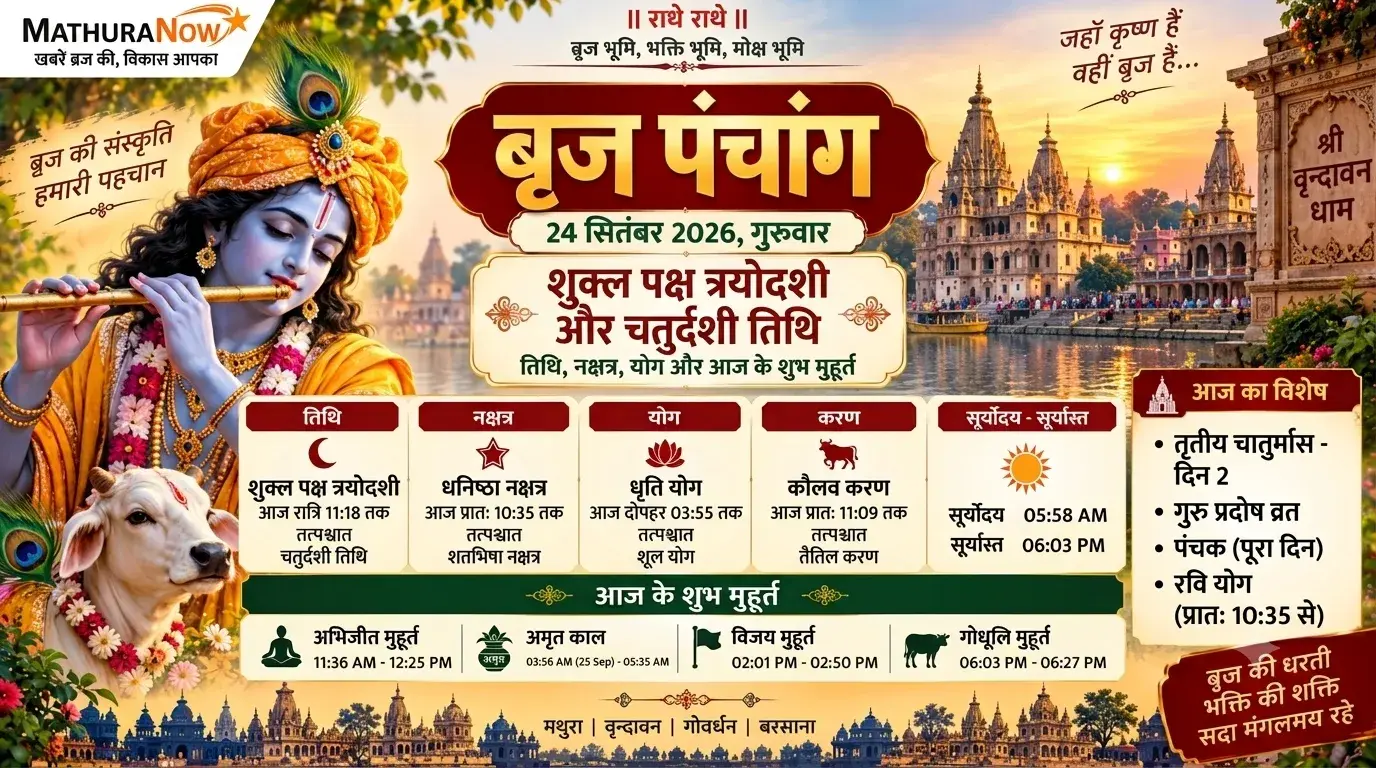
On this auspicious day of September 24, 2026, which corresponds to the 28th day of Bhadrapada in the Vikrama Samvata 2083, the Braj region observes the sacred Guru Pradosh Vrat. This day falls during the vibrant Shukla Paksha, bringing a sense of divine grace to the holy lands of Mathura and Vrindavan. As a Thursday, the day holds particular significance for those seeking spiritual wisdom and prosperity through the observance of the Pradosh Vrat. Devotees across the region prepare themselves for an evening dedicated to Lord Shiva, seeking blessings for the removal of obstacles and the fulfillment of heartfelt desires. The atmosphere in Braj remains spiritually charged as the community aligns its daily activities with the Tithi of Shukla Trayodashi, which prevails until 11:18 PM before transitioning into Chaturdashi.
The Significance and Traditional Observance of Guru Pradosh Vrat
Guru Pradosh Vrat is a highly revered observance, especially when the Trayodashi Tithi aligns with a Thursday. In the cultural fabric of Braj, this day is marked by deep devotion to Lord Shiva, the eternal yogi. Traditionally, followers observe a fast throughout the day, abstaining from grains, and engage in the recitation of Shiva Puranas or the chanting of the Panchakshari Mantra. As the sun sets, the energy in the local temples shifts toward the Pradosha Kaal, the time just before dusk when the veil between the material and divine worlds is believed to be thinnest. Many families gather to perform a ritualistic Shiva Abhishek, using Ganga jal, milk, and honey to bathe the Lingam, reflecting the purification they seek for their own souls. This day also carries the weight of the ongoing Chaturmasa, specifically the third month, emphasizing introspection and heightened spiritual practice.
Auspicious Windows and Traditional Utilization
For those looking to initiate new projects or engage in significant personal rituals, the day offers several favorable windows. The Abhijit Muhurta, occurring from 11:36 AM to 12:25 PM, provides a brief but potent window for important decision-making and commencement of auspicious work. Furthermore, the Ravi Yoga, which begins at 10:35 AM and continues until the next morning, is traditionally valued for its ability to destroy negative influences and bring success to tasks performed within its duration. The Vijaya Muhurta, spanning from 02:01 PM to 02:50 PM, is widely utilized for matters requiring strategy, victory, or the overcoming of competitive obstacles. Additionally, as the day transitions into the twilight hours, the Godhuli Muhurta from 06:03 PM to 06:27 PM offers a peaceful, auspicious environment for evening prayers, aligning perfectly with the conclusion of the daily temple rituals throughout Mathura.
Managing Inauspicious Periods for Daily Planning
While the day is blessed with divine grace, it is also important to respect the periods traditionally considered less favorable for new beginnings. The Rahu Kaal, occurring between 01:31 PM and 03:02 PM, is a time when the faithful in Braj exercise caution, generally avoiding the start of any major venture or the signing of important documents. Similarly, the Yamaganda Kaal from 05:58 AM to 07:28 AM and the Gulika Kaal from 08:59 AM to 10:30 AM serve as markers for rest or inward-focused reflection rather than worldly activity. By planning around these windows, practitioners can ensure their day remains productive and spiritually harmonious. Recognizing the Panchaka period also encourages a mindful approach to certain household activities, allowing the community to maintain a balanced rhythm of life throughout the day.
Also Read: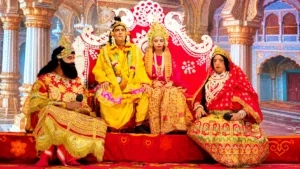 Shiv-Parvati Vivah Enacted at Shri Krishna Janmabhoomi – Mathura Ram Leela Mahotsav 2026
As the sun sets over the Yamuna, the temples of Mathura and Vrindavan resonate with the sounds of conch shells and devotional hymns. The confluence of Guru Pradosh Vrat and the ongoing Chaturmasa creates a unique opportunity for devotees to deepen their connection with the divine. Whether participating in the elaborate temple Aartis or offering quiet prayers in the solitude of one’s home, the residents of Braj embrace this day as a vital part of their ongoing spiritual journey, keeping traditions alive amidst the modern world.

Shri Shri Amit Agarwal
Astrologer
Shri Shri Amit Agarwal - Astrologer is associated with MathuraNow and contributes coverage related to spirituality, Braj culture, temple affairs, religious events, public-interest…
Get Mathura's latest news on WhatsApp
Breaking news and important local updates, straight to your phone
Join channel