Shri Jhadi Hanuman Temple A Beacon of Faith and Tradition in Naujheel
Explore the historic Shri Jhadi Hanuman Temple in Naujheel, Mathura, a revered site known for its deep spiritual traditions and annual festivals.
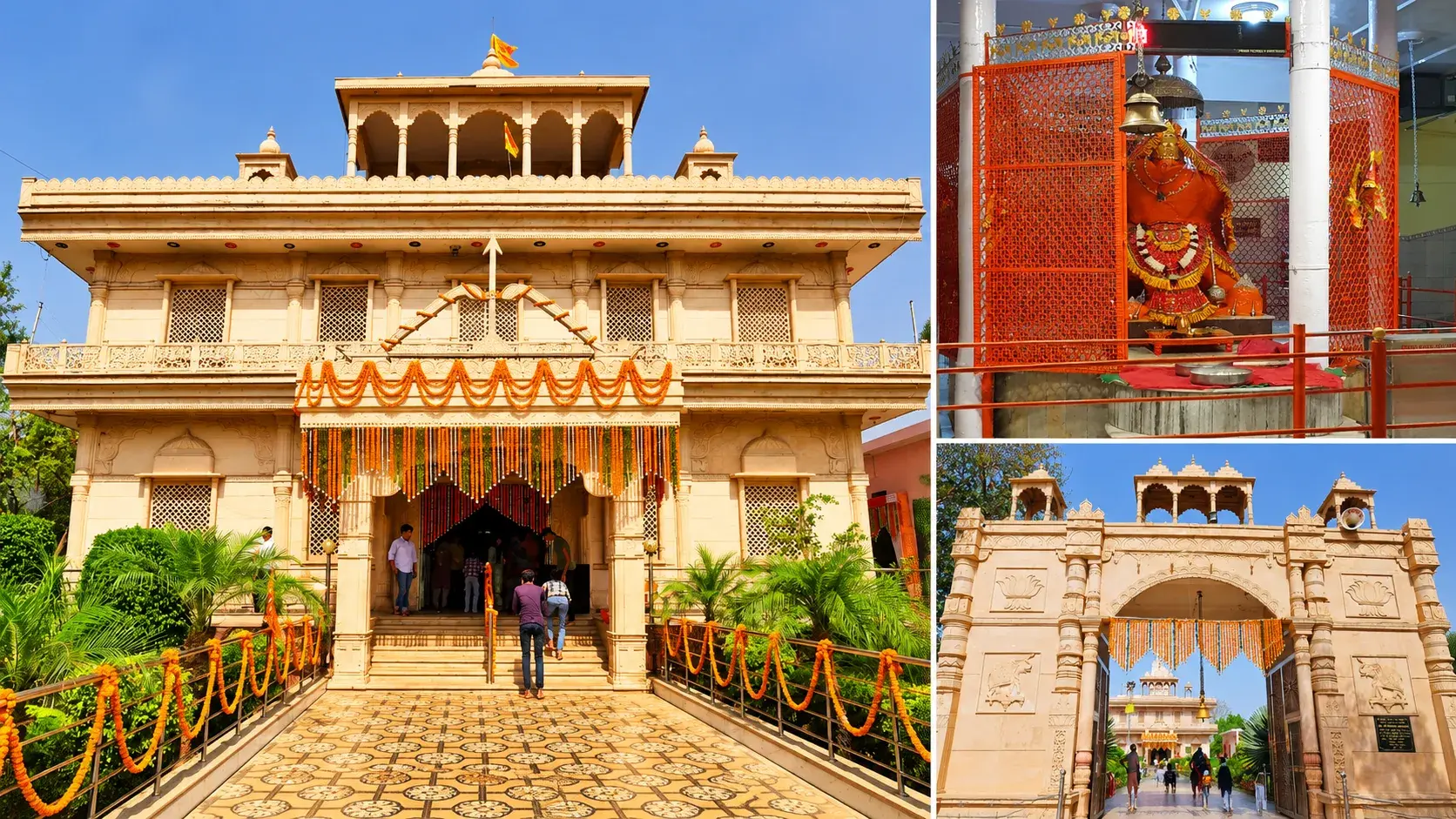
Naujheel, September 24, 2026: Nestled within the vibrant cultural landscape of the Braj region, the Shri Jhadi Hanuman Temple in the Naujheel, Mant area of Mathura stands as a testament to deep-rooted local faith and spiritual heritage. While the district is globally renowned for its association with Lord Krishna and Radha Rani, sites like the Jhadi Hanuman Temple offer a glimpse into the diverse traditions that define the region’s spiritual topography. Located on the Shergarh Road in Naujheel, this temple has evolved from a quiet, natural site into a prominent pilgrimage destination that draws devotees from across Uttar Pradesh, Delhi-NCR, Haryana, and Rajasthan.
A Legacy of Faith and Development
Locally known as Jhadi Wale Hanumanji, the temple is revered as an ancient ‘Siddhasthali,’ a place where the deity is believed to have manifested as ‘Swayambhu.’ While there is no documented record of its precise founding date, historical accounts and local traditions describe the temple as being hundreds of years old. For much of its history, the temple remained relatively secluded, situated about 1.5 kilometers away from the main human settlement in a tranquil, natural environment. Over the years, however, the site has witnessed significant transformation.
Also Read: Vrindavan’s Sacred Cheer Ghat
Under the stewardship of Mahant Ramratan Das Maharaj, the temple has expanded its facilities to accommodate the increasing number of pilgrims. Development efforts have included the construction of a two-story saint residence and a large hall designated for ‘Bhojan Prasadi.’ These infrastructure improvements have seamlessly integrated modern visitor needs while preserving the site’s ancient religious atmosphere. According to official sources, the Uttar Pradesh Braj Tirth Vikas Parishad has also identified the site for further enhancement, with development projects worth approximately 1.88 crore rupees proposed in 2024. These plans encompass a grand entrance, a ‘Satsang’ hall, and various public amenities to ensure a comfortable experience for the thousands of devotees who visit annually.
The Annual Grand Festival
The temple is perhaps best known for its annual ‘Varshikotsav’ and ‘Prabhu Prem Parv,’ an event that has become a cornerstone of the regional religious calendar. In 2026, the temple celebrated its 35th annual festival, which spanned ten days from June 15 to June 24. This massive gathering features a variety of devotional activities, including a spectacular ‘Mangal Kalash Yatra’ involving 1,101 vessels, the ‘Mahabhishek’ of Hanumanji, and long-form discourses such as the ‘Shrimad Bhagwat Katha.’ In the 2026 celebrations, the discourse was delivered by Bhagwatacharya Shri Krishna Chandra Shastri Thakur Maharaj.
The festivities are deeply rooted in Braj culture, featuring nightly ‘Raslila’ performances, ‘Bhajan’ (devotional music) sessions, and a grand ‘Bhandara’ (community feast) that concludes the event. The scale of the festival continues to grow; in 2025, during the 34th annual festival, organizers even arranged for flowers to be showered from a helicopter upon the participants of the Kalash Yatra. These events demonstrate how the temple serves as a hub for both spiritual connection and community engagement.
Also Read: Raval Radha Rani Temple The Sacred Village Where Shri Radha Rani First Touched the Earth
Pilgrimage and Practical Information
For those planning a visit, the temple is located at Shergarh Road, Naujheel Bangar, Mathura, Uttar Pradesh-281404. It sits within the Mant tehsil of Mathura district. The road distance from Mathura Junction is approximately 45 to 50 kilometers, while travelers coming from the spiritual hub of Vrindavan will find the temple to be approximately 30 to 35 kilometers away. The area is also steeped in local folklore; during the 2026 festival, Bhagwatacharya Shri Krishna Chandra Shastri Thakur Maharaj shared the tradition that the name ‘Naujheel’ originated from the existence of nine ancient lakes that once occupied the region.
A visit to the Shri Jhadi Hanuman Temple fits perfectly into a broader Braj itinerary. After paying respects at the temple, pilgrims often choose to explore nearby areas such as Shergarh, Kokilavan, and Kosi Kalan. Visitors are also encouraged to experience the local culinary traditions of Mathura, including the famous Peda, traditional Kachori-Sabzi, and refreshing Lassi, which remain staples of the regional diet. Whether you are a dedicated devotee or a traveler exploring the religious heart of Uttar Pradesh, this ancient site offers a unique connection to the enduring spirit of the Braj region.
Get Mathura's latest news on WhatsApp
Breaking news and important local updates, straight to your phone
Join channel