


Yogi Adityanath Outlines Vision for Mathura-Vrindavan Temple Infrastructure
UP Chief Minister Yogi Adityanath speaks on developing Mathura-Vrindavan's religious infrastructure to improve the pilgrim experience during Janmashtami.
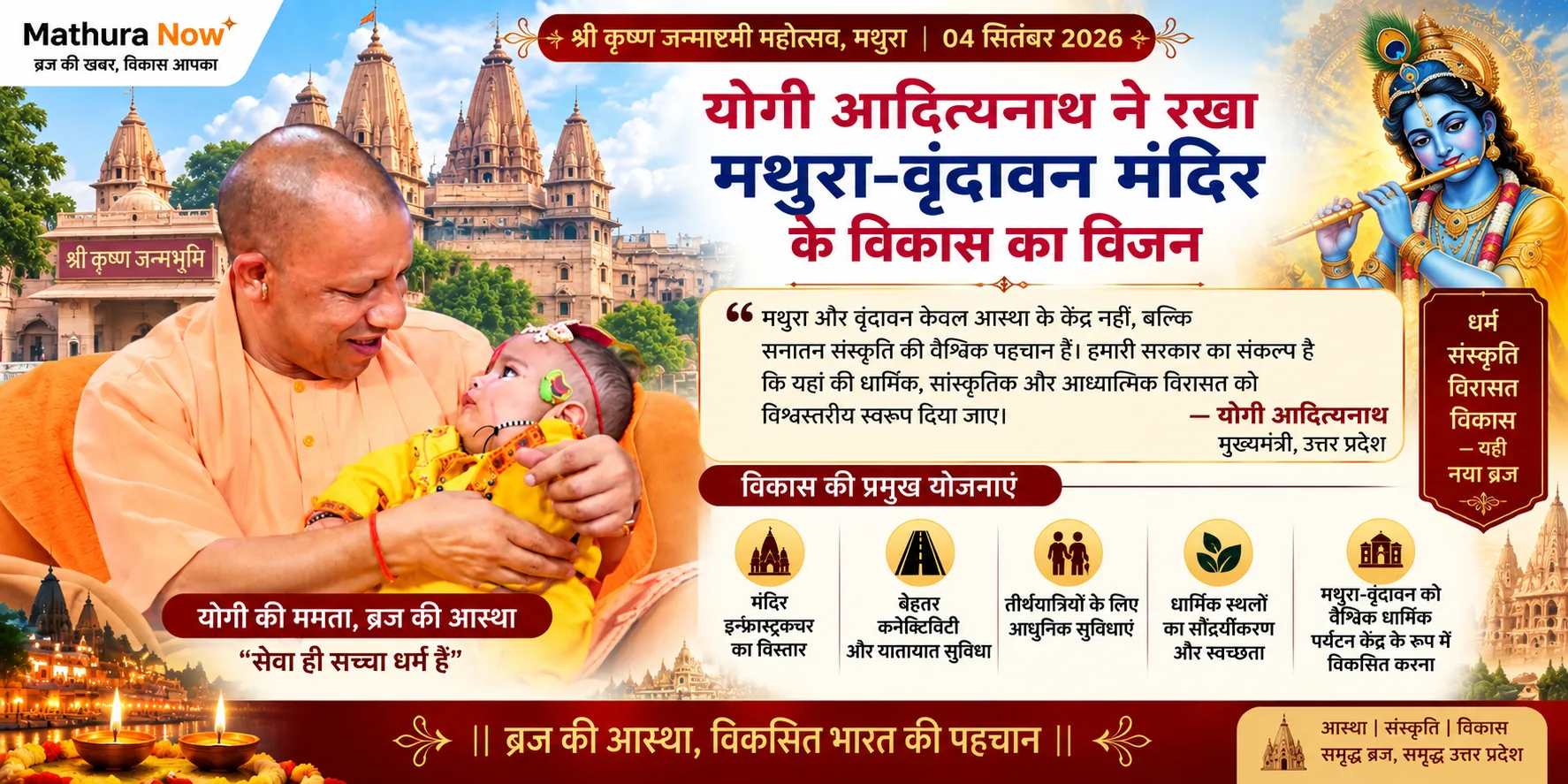
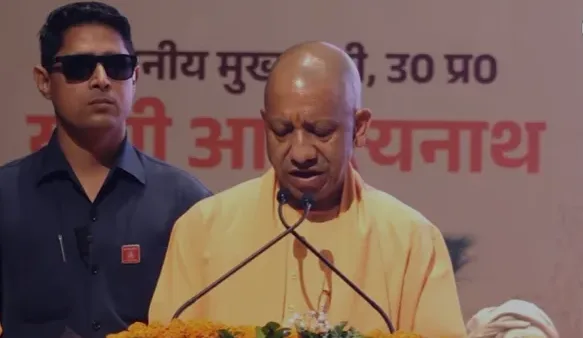
Mathura, September 4, 2026: Uttar Pradesh Chief Minister Yogi Adityanath visited Mathura on September 4, 2026, to participate in the celebrations of Shri Krishna Janmashtami at the Shri Krishna Janmabhoomi temple complex. During his address to the large gathering of devotees who had arrived from various parts of the country, the Chief Minister emphasized his government’s commitment to transforming the religious landscape of Mathura and Vrindavan. He stated that the state administration is actively working toward developing these sites into grand, well-equipped complexes, drawing inspiration from the infrastructure development models successfully implemented in Ayodhya and Kashi.
Expanding the Pilgrim Experience
The vision presented by the Chief Minister centers on ensuring that the millions of pilgrims visiting Braj annually do not face any form of inconvenience while seeking the blessings of their deity. Adityanath highlighted that the primary objective of these proposed architectural and systemic upgrades is to provide a seamless, secure, and spiritually enriching experience. By reducing the logistical hurdles currently associated with high-density crowd management, the government aims to establish world-class facilities that cater to the unique needs of a major pilgrimage destination.
Also Read: Mathura DM Conducts Quarterly Inspection of EVM-VVPAT Warehouse
The administrative focus remains on creating a visitor-friendly environment that preserves the sanctity of the birthplace of Lord Krishna while providing modern amenities. Officials indicated that this development strategy encompasses improved pedestrian pathways, better traffic management within the temple zones, and advanced public utility services designed to manage the massive influx of tourists during peak festivals like Janmashtami.
Spiritual Significance of the Occasion
Reflecting on the deeper implications of Janmashtami, Chief Minister Adityanath noted that the birth of Lord Krishna at the midnight of Bhadrapada Krishna Ashtami represents the triumph of truth over the darkness of injustice and falsehood. He reminded those gathered that the event, which took place within the ancient prison of Mathura, remains a foundational pillar of Indian culture and faith. Adityanath spoke at length about how the life of Lord Krishna serves as a guide for ethical living in the contemporary world.
He further elaborated that the traditional stories of the deity, such as his childhood plays and his interactions with the people of Braj, are not mere legends but possess profound spiritual messages. According to the Chief Minister, the innocence depicted in the tales of ‘Makhan Chori’ reflects simplicity, while the camaraderie between Krishna and the Gopis emphasizes the values of love and social harmony. He cited the episode of crushing the Kaliya serpent as a classic metaphor for the inevitable victory of Dharma over Adharma, suggesting these lessons are vital for modern society.
Also Read: Hum Sabne Thana Hai, Braj Ko Swachh Banana Hai campaign is expanding across Mathura
Commitment to Cultural Preservation
Beyond physical infrastructure, the government’s stated agenda includes the preservation and promotion of the cultural heritage of the Braj region. The emphasis on ‘grand complexes’ is intended to harmonize ancient architectural traditions with the requirements of a modern-day tourism economy. This dual approach is expected to sustain the long-term growth of the region as a primary global destination for cultural and religious tourism.
As the state government moves forward with these developmental plans, the focus remains on sustaining the devotional atmosphere that defines Mathura. The Chief Minister expressed gratitude to the pilgrims present and reiterated his government’s pledge to maintain the dignity and historical significance of the region. By integrating the lessons of the past with the administrative capabilities of the present, the government hopes to create an environment where the spiritual seekers of today can connect with their roots in a structured and respectful manner, ensuring that the legacy of Braj continues to inspire future generations while accommodating the practical demands of modern travel.

Your first comment on any article never needs an account. If an author replies and you want to keep the conversation going, a free account keeps things trustworthy. Log in or sign up.