Shraddh: A Meaningful Bridge Between Heritage, Memories, and Future Generations
Explore the deeper significance of Shraddh as a means to preserve family history, values, and strengthen relationships across generations.
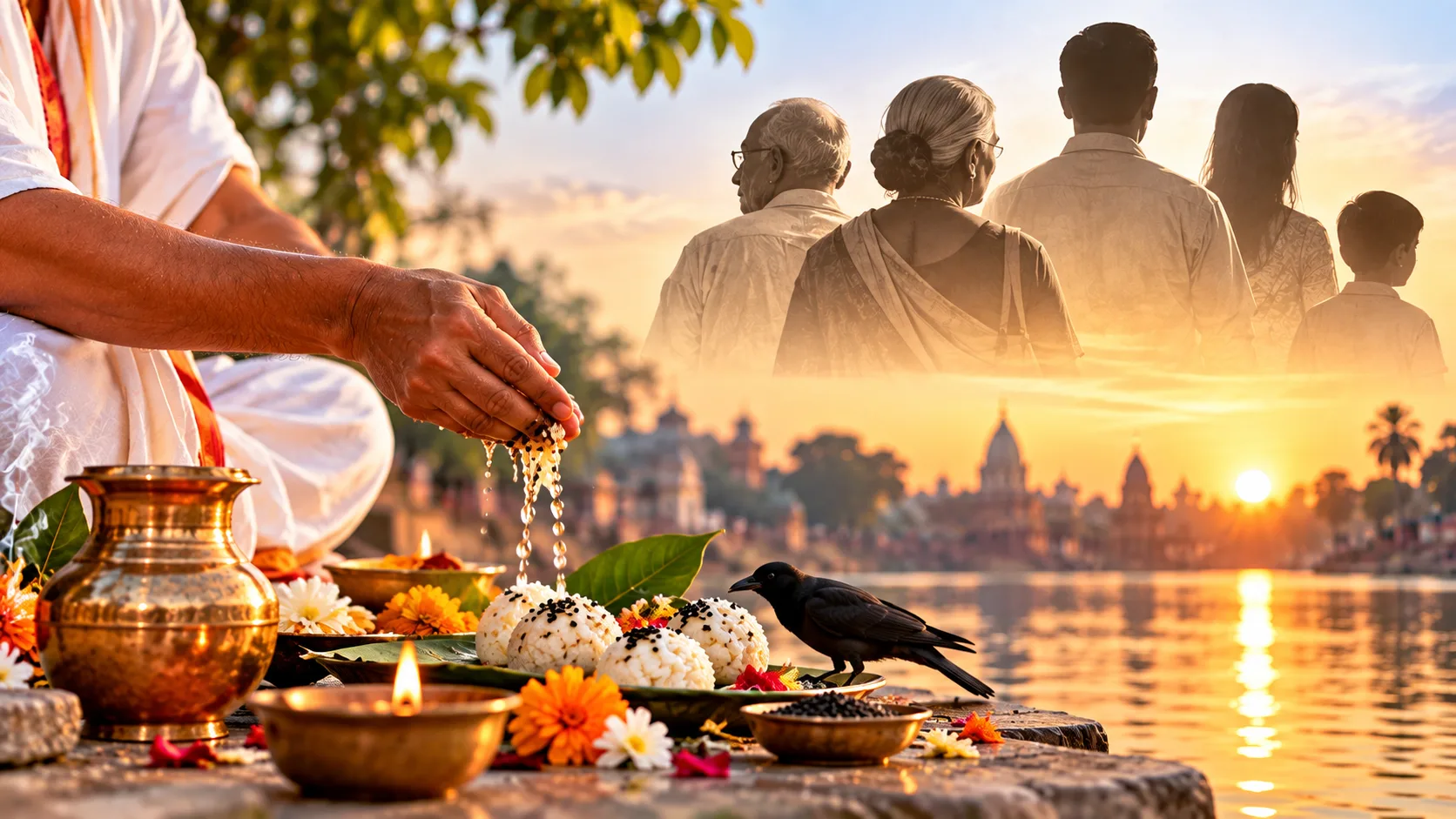
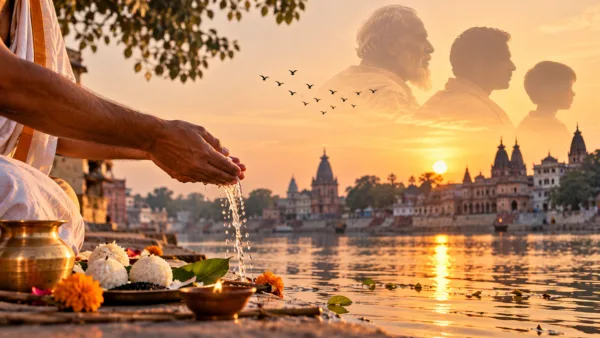
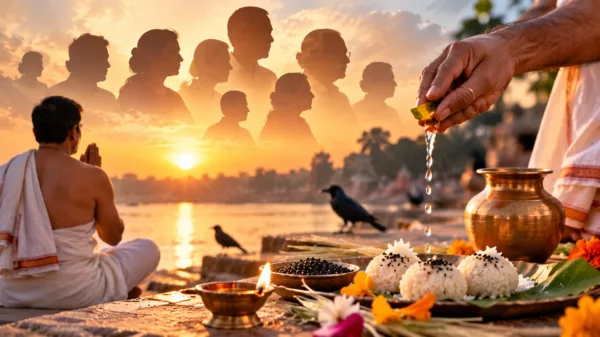
Mathura, October 4, 2026: In the rich tapestry of Indian tradition, the observance of Shraddh is frequently viewed primarily through the lens of ritualistic practices such as Tarpan, Pind Daan, and the offering of food. While these religious observances are deeply rooted in ancient Vedic practices and serve as a vital connection to our ancestors, the essence of the period extends far beyond formal ceremonies. As families gather to honor those who have passed, the occasion offers a profound opportunity for an intergenerational dialogue, acting as a bridge where family history, personal experiences, and core values are passed down to the younger members of the household.
Preserving Family History Through Personal Narratives
Imagine a gathering where the older generation sits with the youth, sharing stories of the ancestors who are no longer physically present. When aunts, uncles, grandparents, and siblings share anecdotes about the lives of those who preceded them, they transform a mere name in a photograph into a living personality. These stories serve a dual purpose: they humanize the ancestors by highlighting not just their strengths, but also their struggles, failures, and the lessons they learned from their mistakes. By presenting ancestors as real individuals rather than flawless, distant ideals, families teach the next generation that imperfection is part of the human experience and that resilience is a virtue.
The Role of Stories in Strengthening Modern Relationships
Beyond the memory of the deceased, the sharing of these stories acts as a powerful adhesive for current relationships. When a family member recounts how a grandfather managed family disputes or how an aunt supported parents during their own childhood, the younger generation gains insight into the effort required to nurture relationships. This deeper understanding of one’s own family dynamics fosters respect and intimacy between living relatives. It helps children realize that their parents, too, were once children who grew up surrounded by the care of their own parents and extended family members, effectively bridging the emotional gap between different age groups within the house.
Modernizing Ancestral Wisdom Through Technology
In our digital age, the responsibility of preserving this unofficial family history has become more accessible than ever. The period of Shraddh provides a practical impetus for families to record the oral histories of their elders, organize old photographs with descriptive captions, and compile family trees. These digital archives—ranging from scanned letters and handwritten recipes to recorded interviews—ensure that the collective memory of the family is not lost to time. By engaging children in the process of interviewing their grandparents, parents not only document the past but also foster an environment where curiosity and intergenerational bonding can flourish, ensuring that personal stories remain central to the family identity.
Turning Remembrance Into Living Values
The true legacy of our ancestors is not just in the rituals we perform, but in the behaviors we choose to embody. If a grandfather was known for his honesty, or a grandmother for her generosity, these traits can be honored by incorporating them into daily life. This is the modern interpretation of Pitru-rin—a debt of gratitude that is repaid by continuing the positive traditions and ethical values passed down to us. By acting in ways that mirror the virtues of our predecessors, we ensure that their influence continues to shape the character of the family, providing a moral compass that guides the youth through contemporary challenges.
Also Read: Braj Raj Utsav 2026: 11-Day Cultural Fair Set for Mathura and Vrindavan
Ultimately, the significance of Shraddh is evolving to reflect the needs of a changing society. While the younger generation may question traditional methods, they remain receptive to the stories that define their origin. When we shift our focus from merely asking what we have done for our ancestors to what we have learned from them, the observance becomes a dynamic tool for growth. This Shraddh, families are encouraged to sit together, share their narratives, and make a collective resolve to protect their heritage. By doing so, we ensure that these deep, shared memories continue to provide strength, warmth, and guidance to every generation that follows, proving that true connection is built through stories, not just names.

Pradeep Delpuriya "Manu"
Bureau Chief
Pradeep Delpuriya "Manu" is a distinguished educator and media professional based in Kanpur Nagar, Uttar Pradesh. Alongside his active role in journalism as a field reporter and…
Get Mathura's latest news on WhatsApp
Breaking news and important local updates, straight to your phone
Join channel